What Is the Suzuki Method?
Musical ability grows through care and attention.
The Suzuki method begins with a generous belief: musical ability can be developed. You don’t have to demonstrate a special gift before you’re invited to learn.
Japanese violinist and educator Shinichi Suzuki drew inspiration from the way children learn their first language. They listen, imitate, repeat, and gradually express themselves—with encouragement from the people around them. He saw that a similarly nurturing environment could help children learn music.
Listening, small steps, repetition, and family involvement became foundations of his approach. At its heart is a concern for the person who is learning: their confidence, sensitivity, and capacity to participate in life.
Listening comes first.
Before we speak, we listen. Before we play a musical phrase, we can begin to know its shape and character by hearing it.
In Suzuki learning, regular listening helps music become familiar. Students develop an inner sense of what they want to play, rather than relying entirely on instructions about where to put their fingers.
In my teaching, listening is also how we discover tone. We notice the sound we’re making and how it changes with the movement of the bow. We learn through our ears and our bodies together.
Even a single note offers something to explore: Can you hear its beginning? Feel the string respond? Allow the sound to continue?
A small amount, beautifully.
This is one of the principles closest to the heart of my teaching.
Learning a piece means more than getting through its notes. We’re developing the ability to give something our attention—to hear it, feel it, and play it with care.
Sometimes the most useful practice is a short phrase, a comfortable movement, or one resonant sound. When that becomes familiar, we build on it.
“Beautifully” doesn’t mean flawlessly. It means being present enough to notice what is happening and interested enough to try again.
Repetition is a chance to discover more.
A familiar piece can become a place to develop a new skill. When the notes are comfortable, more attention becomes available for tone, rhythm, movement, and expression.
That is why review matters. We keep returning to music we know, finding greater ease and depth within it.
I want repetition to remain alive. Each return can have a purpose: listening for a clearer sound, feeling a freer movement, or discovering a different way to shape a phrase.
Parents are part of the learning.
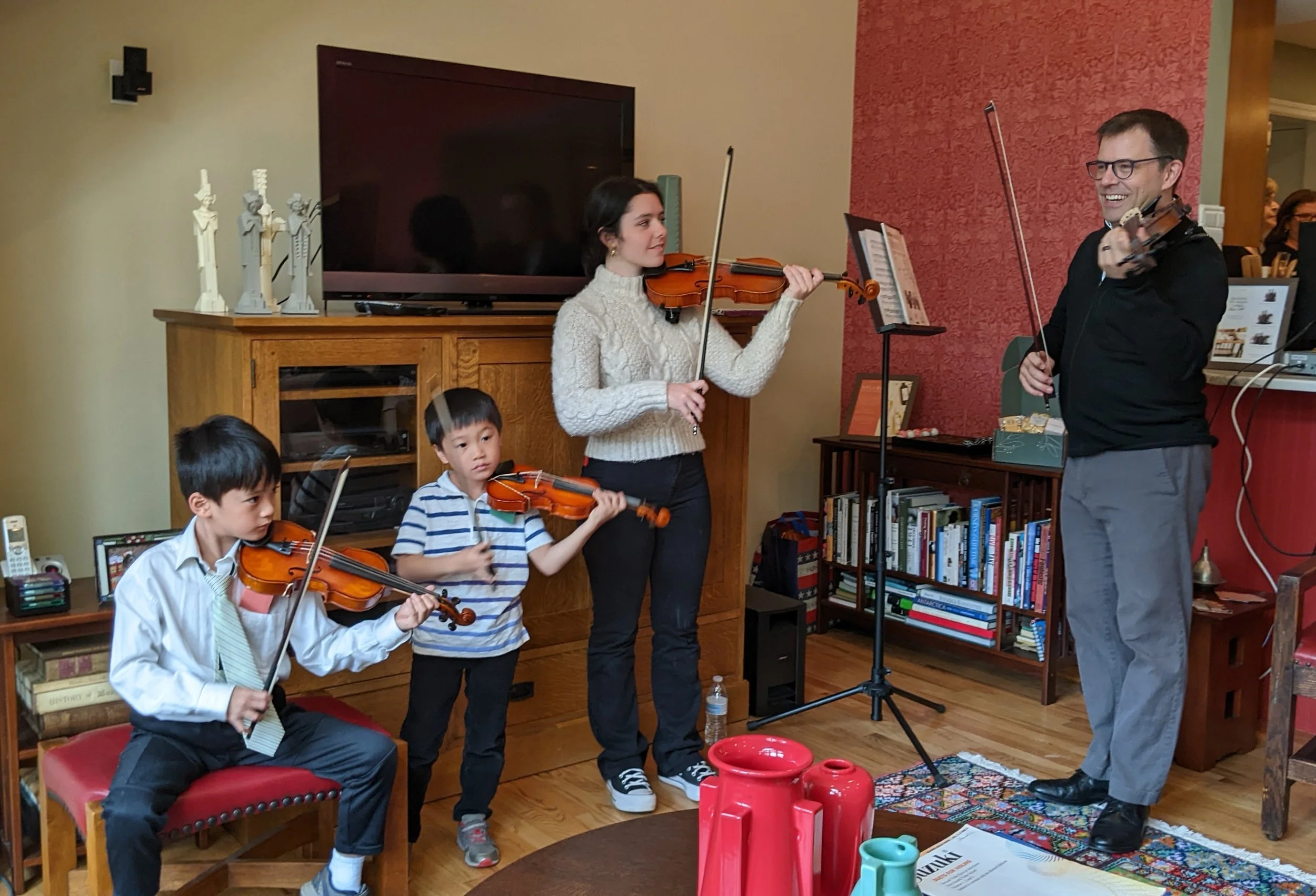
For young children, Suzuki study is a partnership among teacher, child, and parent or another caring adult.
The parent attends lessons, learns what to notice, and helps carry the work into daily life. They become the child’s home teacher, with guidance and support from me.
You do not need to be a musician already. Part of my work is helping you understand how to practice with your child: what to focus on, how to make a task manageable, and when to pause.
The relationship matters. A sustainable practice grows through shared attention, clear expectations, and encouragement.
As students mature, we help them take increasing ownership of their learning.
Yes, students learn to read music.
Suzuki’s language analogy places listening and playing before reading in the earliest stages. Music reading remains an important part of becoming an independent musician.
I introduce and develop reading alongside the student’s growing instrumental skills, with timing appropriate to their age and experience. Listening, understanding, and reading can support one another throughout a musical life.
A foundation for your own musical voice.
Suzuki repertoire provides a carefully developed path for learning. In my teaching, that foundation also opens into improvisation, other musical styles, and the student’s own interests.
I want students to experience music as something they can participate in creatively. As their skills grow, so do their possibilities for expression.
Can adults learn this way?
Absolutely. Although Suzuki developed his approach through teaching children, listening, patient repetition, and learning in manageable steps are valuable at any age.
Adults bring their own musical interests, life experience, and curiosity. We can draw on those strengths while building the physical and listening skills that violin playing requires.
For adults, I also value the meditative quality of this work: giving attention to sound, noticing sensation, and making room for an activity whose rewards unfold gradually.
You can begin where you are.
Suzuki at Edward’s Violin Studio
My interpretation of Suzuki centers on attentive listening, comfortable movement, beautiful tone, and steady, individual growth.
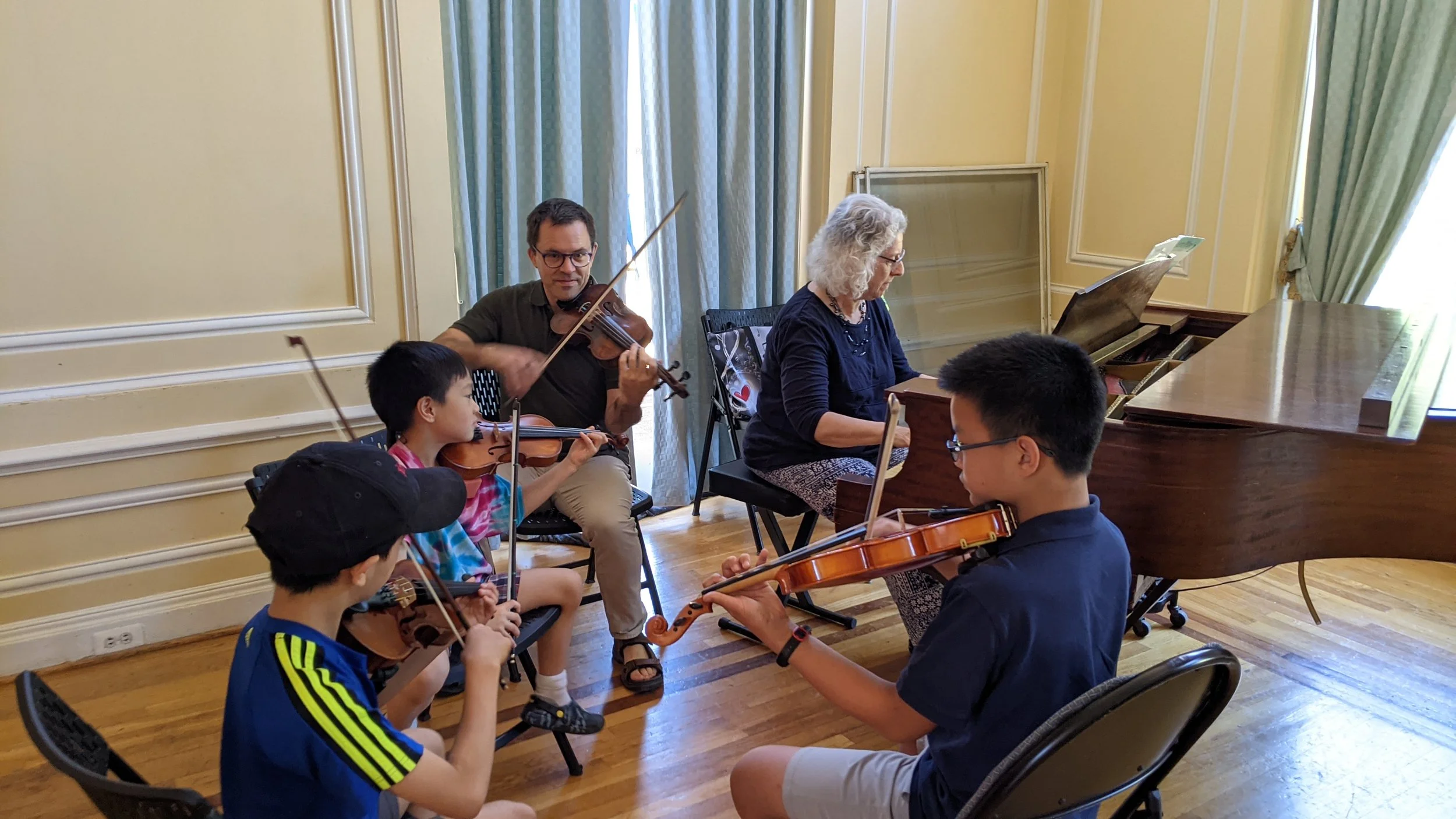
Suzuki education traditionally includes learning with other students through group lessons and performances. My current studio centers on individual instruction, adapting these foundations to each student and family.
Above all, I want learning the violin to enrich your life. Progress includes the music you can play, the things you can hear, and the care you learn to bring to both.
Interested in beginning?
An assessment lesson gives us time to explore your interests, experience my teaching, and discuss a path that fits you or your child.

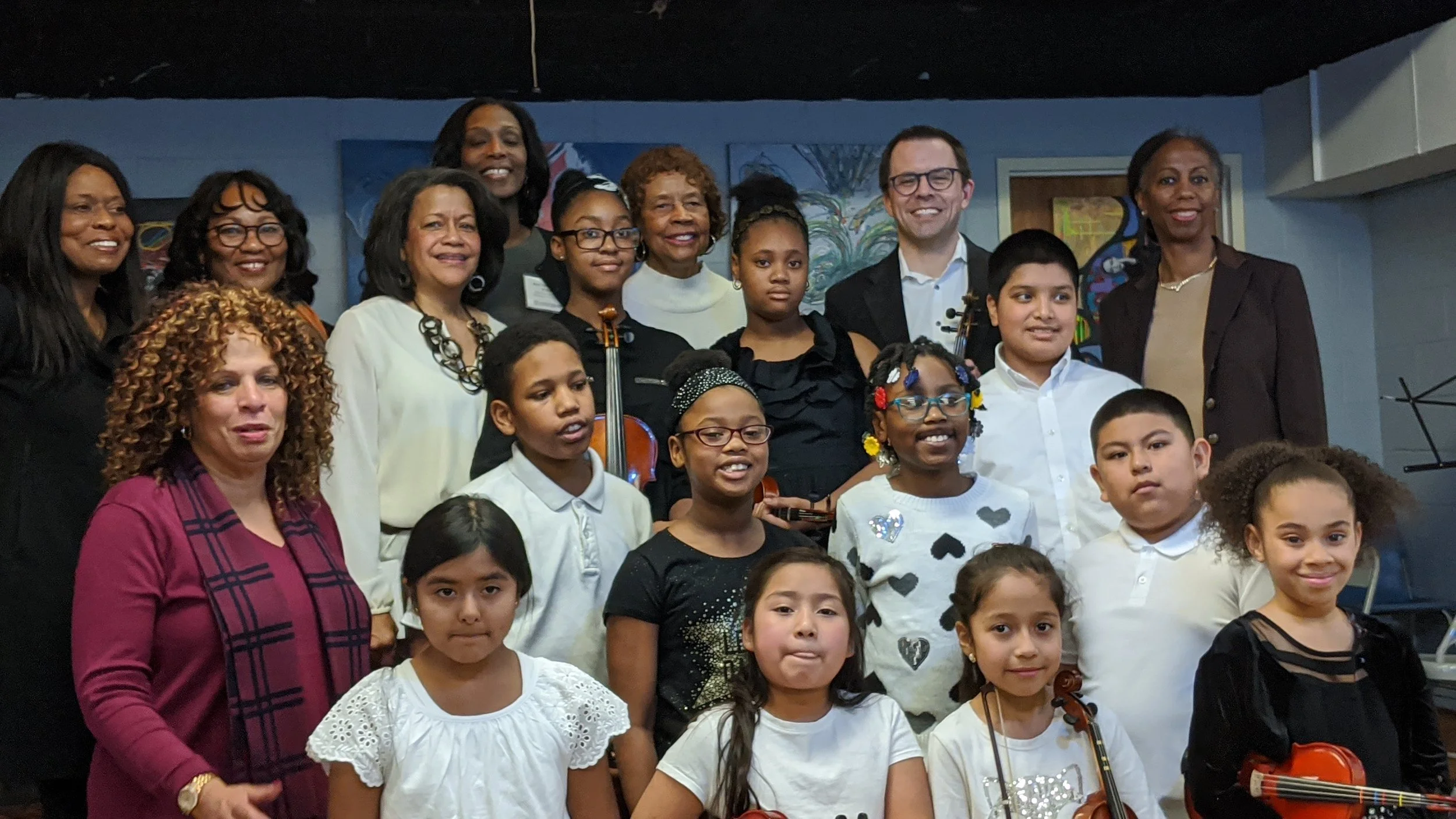
Every child can. Every child belongs.
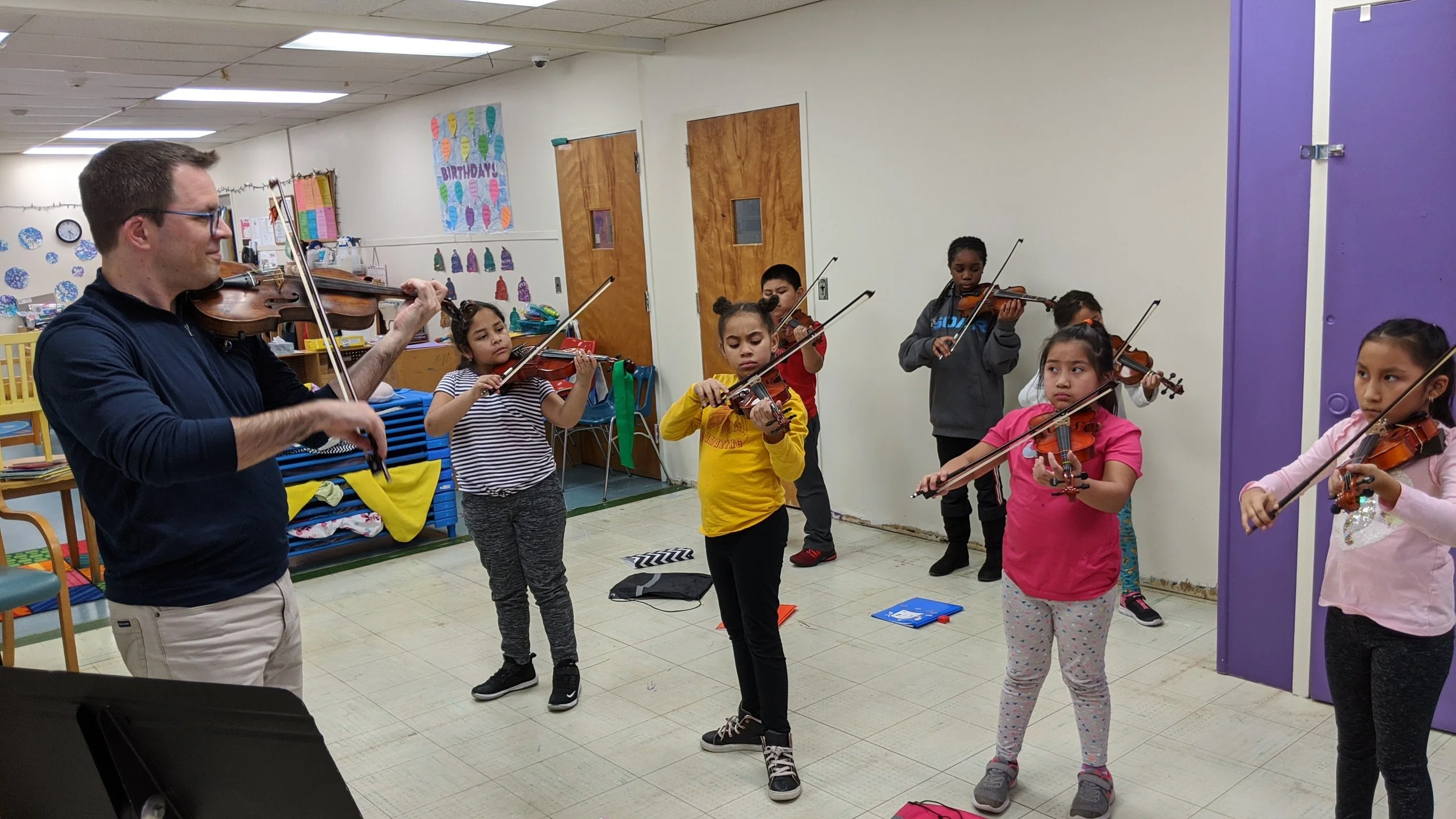
For me, Suzuki’s belief that “every child can” carries a commitment to social justice. Musical potential is present across differences of race, culture, income, gender, and learning style, while opportunities to nurture it are not equally available.
We are a diverse studio, and I want each student and family to feel welcomed, respected, and able to belong. That means listening to different experiences, questioning assumptions about who is “talented,” and adapting our teaching to support the person in front of us.
Every child can learn; our responsibility is to help create the conditions in which they can flourish.